Spending time together as a family doesn’t always require an expensive outing or a complicated plan. Some of the most enjoyable activities begin with everyday items, a little imagination, and the willingness to try something different.
If you’re looking for ways to spend an afternoon together without relying on phones, tablets, or television, these seven ideas offer a flexible place to start.
1. Create Your Own Board Game
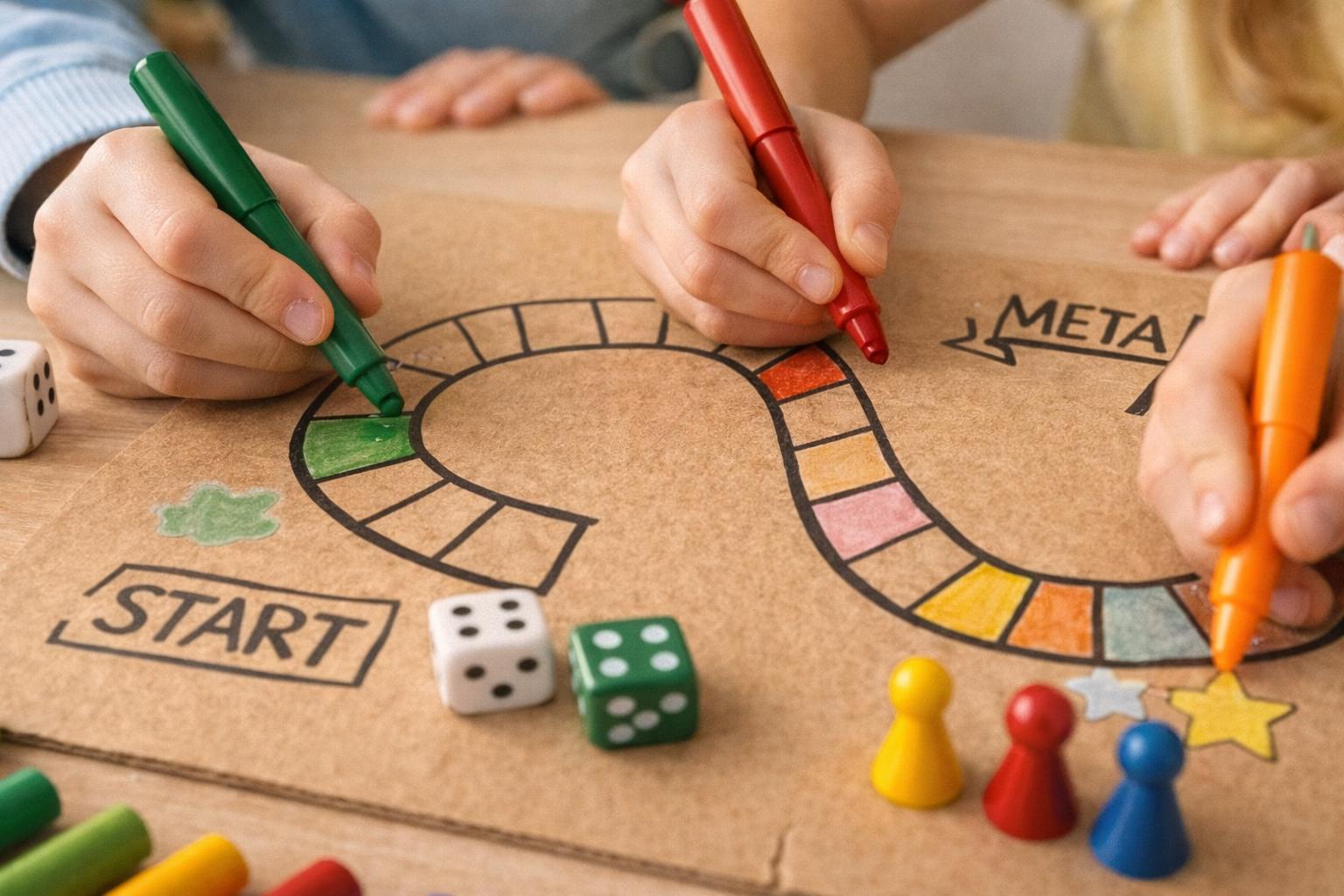
A homemade board game is an opportunity for family members to combine drawing, storytelling, and problem-solving.
Start with a large piece of cardboard or paper. Draw a path of squares from a starting point to a finish line. Then work together to invent rules, challenges, and rewards.
Materials you might need:
- Cardboard or thick paper
- Markers or colored pencils
- Dice or numbered paper slips
- Buttons or other safe objects as game pieces
Younger children can help decorate the board, while older children can write instructions or test whether the game feels fair.
Once the game is finished, play a round and discuss what could make it more interesting.
2. Organize a Living Room Treasure Hunt
A treasure hunt turns an ordinary room into a space for exploration.
Choose five to ten household objects and write clues about where they can be found. For younger children, use pictures or simple descriptions. Older children may enjoy riddles and word puzzles.
For example, a clue might say: “I have pages, but I’m not a newspaper. Look where stories sleep.”
Place the next clue beside a book.
Keep the search in safe, accessible areas and avoid hiding objects near cleaning supplies, electrical outlets, or fragile furniture.
3. Cook a Simple Recipe Together
Preparing food can be a practical activity that gives family members different responsibilities.
Choose something manageable, such as homemade sandwiches, fruit skewers, or a simple pizza with prepared dough.
Assign tasks based on age and ability. Younger children might wash produce or arrange toppings, while older children can practice measuring ingredients.
An adult should supervise kitchen activities and handle sharp knives, hot surfaces, and other hazards.
The goal is not to produce a perfect meal. It is to spend time working toward something everyone can share.
4. Start a Family Art Challenge
Set out paper, pencils, markers, and recycled materials. Then introduce a creative theme.
Possible challenges include:
- Draw a dream vacation destination.
- Design a house for an imaginary animal.
- Create a picture using only three colors.
- Make a collage of things that represent your family.
Allow everyone to interpret the theme in their own way.
At the end, each participant can explain their creation. Instead of choosing a winner, focus on the different ideas people came up with.
5. Build an Indoor Reading Fort
Blankets, cushions, and sturdy chairs can help transform a familiar corner into a temporary reading space.
Arrange the materials so that the structure remains stable and entrances stay clear. Avoid stacking heavy objects or placing fabric near heaters or lamps.
Invite everyone to select a story, comic book, or magazine.
You can read aloud, take turns narrating, or allow children to invent alternative endings.
6. Create a Family Time Capsule
A time capsule can capture ordinary moments that become meaningful later.
Ask each person to contribute something small, such as a drawing, a written prediction, or a description of their favorite activity.
You could include:
- A family photograph
- A list of favorite songs
- A short letter to your future selves
- Predictions about the coming year
- A drawing of your current home
Place everything in a labeled envelope or box. Choose a date to open it together and store it somewhere dry and safe.
7. Host a No-Equipment Family Challenge
A series of simple, playful activities can turn a quiet afternoon into a family event.
Try a paper-airplane distance contest, a memory challenge using household objects, or a competition to build the tallest freestanding tower from paper.
Adjust the activities for different ages and abilities. Participation matters more than winning.
You can also encourage family members to design their own challenges.
How to Make Family Activities Easier to Organize
A successful family activity does not need to occupy an entire day.
Start with 20 to 30 minutes, especially if younger children are involved. Keep supplies simple, introduce one activity at a time, and allow participants to help choose what comes next.
It is also useful to have an alternative plan. If a craft project becomes frustrating, switching to storytelling or a simple game may help keep the experience enjoyable.
Final Thoughts
Screen-free family time can take many forms, from cooking and crafting to games and storytelling.
The most useful activity is often one that fits your family’s available time, interests, and abilities. Start with something simple, make room for everyone to participate, and let the experience develop naturally.